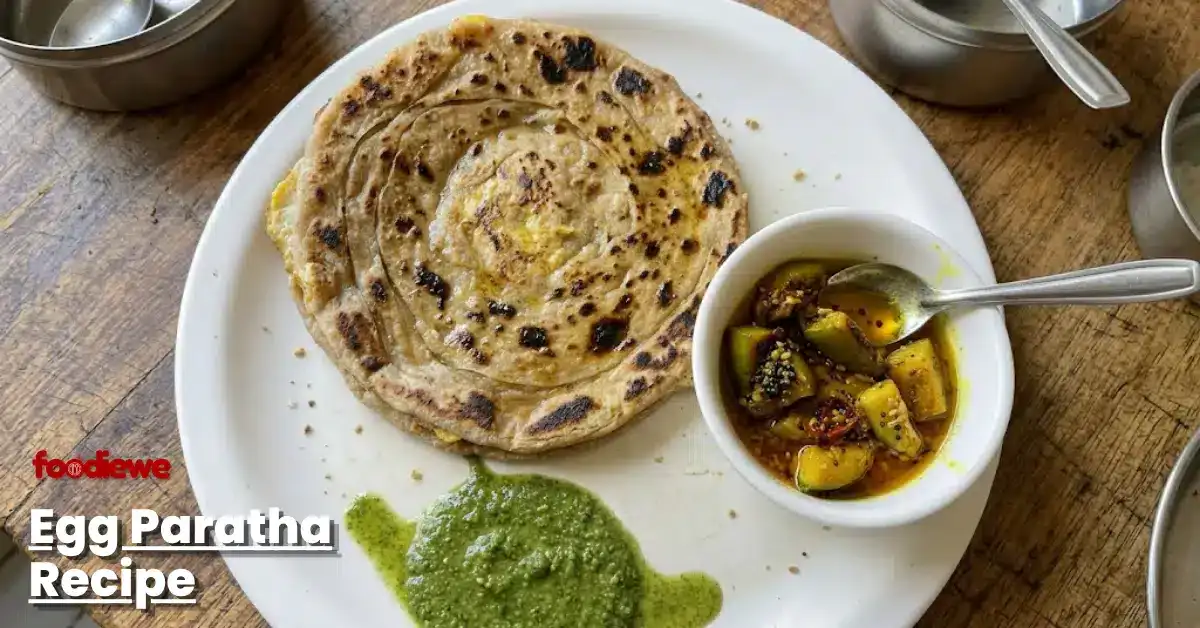
Egg paratha recipe is one of those breakfasts recipes that sounds simple — and is — but only if you know the one technique most recipes get completely wrong. I grew up watching my mother make these on a smoking-hot tawa every winter morning in Chandigarh, and it took me an embarrassingly long time to replicate that crispiness in my own kitchen in Pune.
The issue wasn’t the dough or the spices. It was the heat and the fold — and once I cracked both, this egg paratha recipe became the most-requested thing in my home. Here’s everything you need: the exact method, the right ratios, and the mistakes to skip entirely.
Quick Answer: Roll whole wheat dough into a thin disc, place it on a hot tawa, flip after 30 seconds, pour 3–4 tablespoons of beaten spiced egg over the surface, fold the edges inward to enclose the egg, add ghee, and cook each side for 60–90 seconds on medium-high heat until golden and crisp. Total active time: 18–20 minutes for 4 parathas.
What Makes Egg Paratha Different from Every Other Stuffed Paratha?
Egg paratha is not stuffed the way Paneer paratha is. The filling isn’t enclosed inside raw dough before rolling — it’s applied directly onto a partially cooked paratha on a live tawa, then folded shut.
This means the egg steams and cooks between two thin layers of dough simultaneously, rather than being buried inside thick dough. That’s the detail that makes or breaks the texture. Most home cooks treat it like a stuffed paratha and wonder why the egg is either raw inside or the dough goes chewy.
The anda paratha has strong roots in North India’s dhaba highway culture — those open-air roadside kitchens where truck drivers, students, and early-morning travellers have been eating this since at least the 1970s. It’s high-protein, genuinely filling, and costs almost nothing.
One thing most blogs won’t tell you: the egg mixture is deliberately loose and beaten fine — not thick like a scramble — so it spreads thin and cooks fully within the 90-second window you have before you need to flip
Ingredients for Egg Paratha Recipe (Serves 2–3, Makes 4 Parathas)
For the dough:
- 2 cups (240g) whole wheat flour (chakki atta)
- ½ tsp salt
- 1 tsp oil
- ¾ cup (180ml) water, added gradually
For the egg filling:
- 4 large eggs
- 1 medium onion, very finely chopped
- 1–2 green chillies, finely chopped
- 2 tbsp fresh coriander, chopped
- ½ tsp red chilli powder
- ¼ tsp turmeric powder
- Salt to taste
For cooking:
- 2 tbsp desi ghee (or neutral oil, but ghee is strongly recommended)
Why whole wheat over maida?
Chakki atta has approximately 13g of protein per 100g versus roughly 10g in refined maida, and its higher gluten structure means the dough holds together under the weight of the egg without tearing at the fold.
According to USDA FoodData Central, one large egg also contributes 6g of complete protein with all nine essential amino acids — making this paratha a genuinely nourishing breakfast rather than just a comfort food. One egg paratha cooked in 1 tsp ghee provides approximately 280–310 calories.
Pro Tip: Divide your beaten egg mixture into 4 equal portions before you start cooking — about 3–4 tablespoons each. If you eyeball it at the tawa, you’ll inevitably overfill one and end up with egg running across your stovetop.
How to Make Street-Style Egg Paratha — Step by Step
Step 1: Make the dough
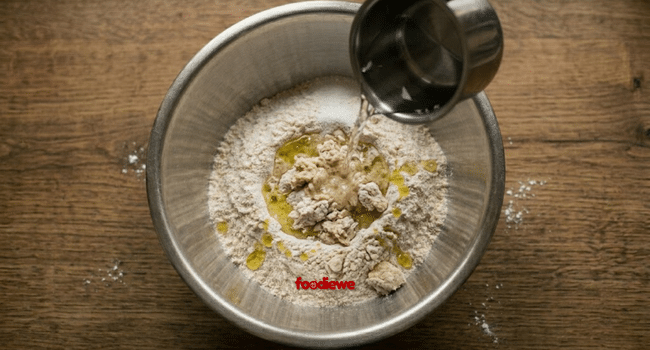
Add flour and salt to a wide mixing bowl. Pour in the oil and rub it in with your fingers until the flour turns slightly crumbly. Now add water little by little and bring the dough together.
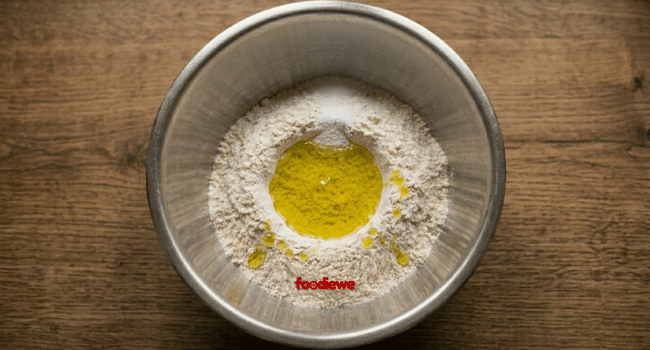
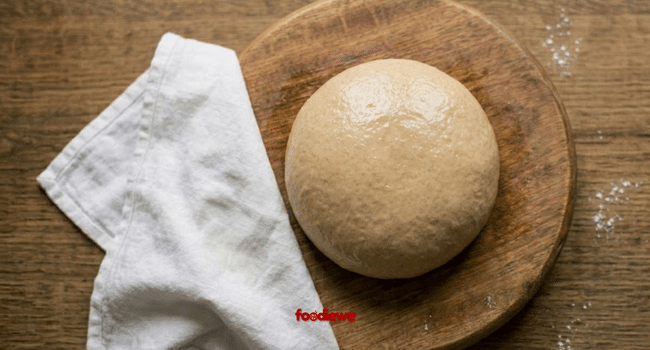
Knead for 5–6 minutes until smooth and soft — it should feel softer than regular roti dough, almost a little tacky. That’s exactly what you want.
Cover with a damp cloth and rest for at least 10 minutes. This is what lets the gluten relax so your parathas roll out thin without springing back. Don’t skip this step.
Step 2: Beat the egg mixture
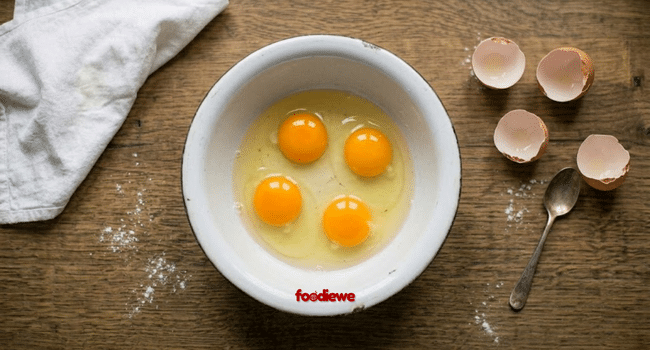
Crack all 4 eggs into a bowl.
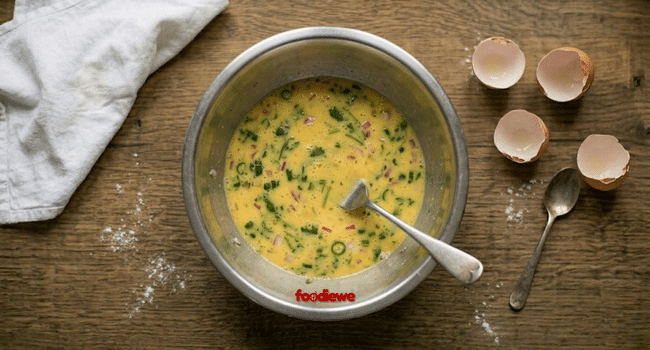
Add chopped onion, green chilli, fresh coriander, red chilli powder, turmeric, and salt.

Whisk hard until everything is fully combined — smooth yellow with no white streaks. A poorly beaten egg will give you rubbery white patches inside the paratha, so take an extra 30 seconds here.
Step 3: Roll each paratha thin
Divide the rested dough into 4 equal balls, about 60g each.
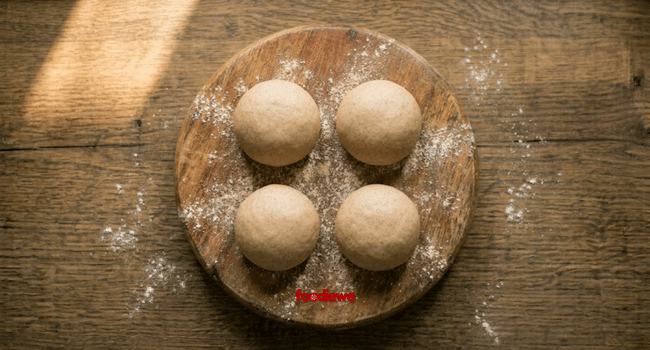
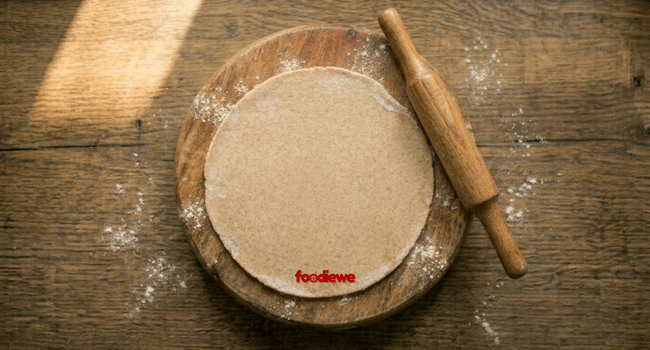
Roll each one into a round disc of about 20–22 cm (8 inches).
The edges should look almost translucent when held up to light — that’s how thin you want it. Use just enough dry flour to prevent sticking. Too much flour makes the paratha stiff and gives it a raw floury taste.
Step 4: Work fast on the tawa
Heat your tawa or cast iron griddle on medium-high. It’s ready when a drop of water sizzles and disappears within 2 seconds.
Place the paratha on it. After 30 seconds, flip it.
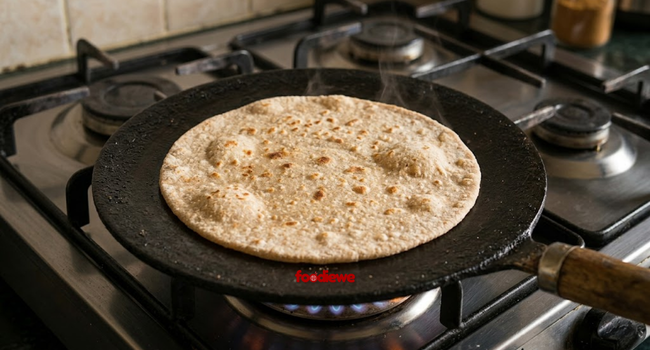
Now immediately pour one portion of the egg mixture over the surface and spread it quickly with the back of a spoon — all the way to the edges. You have about 20–25 seconds before the egg starts to set.
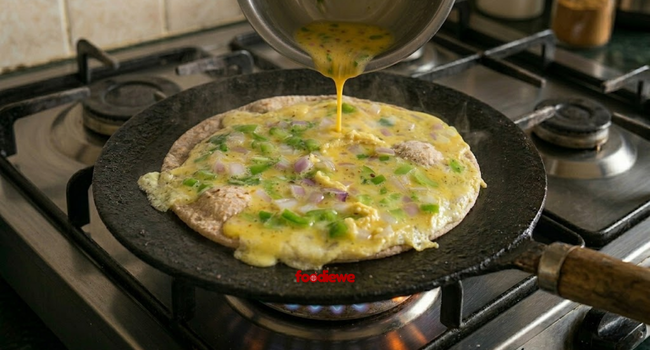
Step 5: Cook until golden
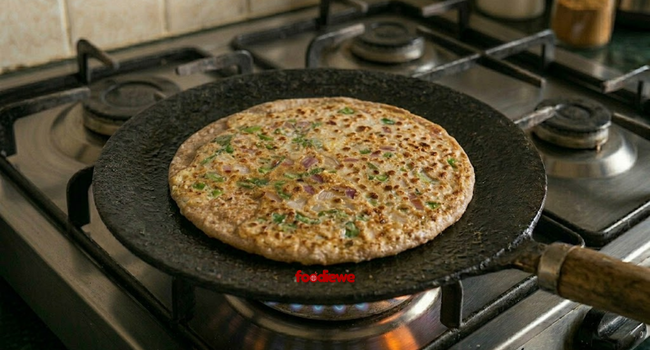
Drizzle about ½ tsp ghee around the edges. Cook for 75–90 seconds until the bottom is deep golden and crisp. Flip and cook the other side for another 60–75 seconds.
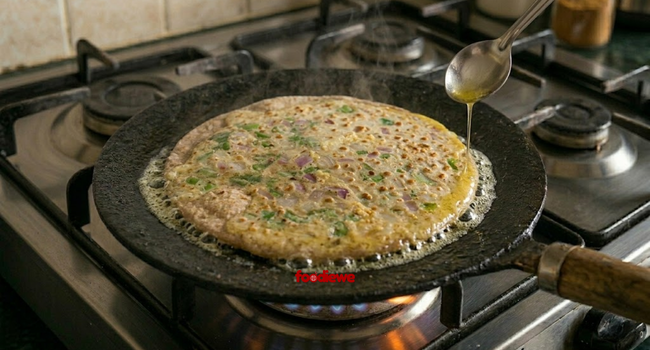
Total cook time per paratha is around 3–4 minutes. Serve hot straight off the tawa.
A plate of two parathas with mint chutney and a spoon of mango pickle on the side — that’s the classic dhaba combination, and it’s hard to beat.
Common Mistakes to Avoid When Making Anda Paratha
Rolling the dough too thick. If your disc is more than 3mm thick, the paratha won’t crisp — it’ll stay soft and doughy at the centre. Roll it out further than feels comfortable.
Adding egg to an insufficiently hot tawa. The egg needs to begin setting the moment it hits the surface. If your tawa isn’t hot enough, the egg runs off the edges before you can fold. Don’t rush the preheat.
Using too much egg per paratha. More than 4 tablespoons makes the folded paratha impossible to seal and dramatically increases cook time — the dough gets tough before the egg inside is done. Stick to the measured portions.
Flipping before the egg side is 70–80% set. This is the biggest mistake I see. Flip too early and the egg sticks to the tawa, tears the paratha, and creates a mess. Give it a full 90 seconds and trust the process.
Skipping ghee to cut calories. One teaspoon of ghee per paratha is about 40 calories. That’s worth it for what it does to the flavour and crust. The smoke point of pure desi ghee sits around 250°C — significantly higher than most refined oils — so it crisps efficiently at tawa temperatures without burning.
Frequently Asked Questions
Q1. What is egg paratha and how is it different from egg roll?
Ans- Egg paratha is an Indian flatbread where a spiced beaten egg is poured over a partially cooked whole wheat paratha on a tawa, then folded shut and cooked until crisp. An egg roll typically wraps a fried egg inside a layered maida paratha, like a street-food wrap. The key difference is technique — egg paratha uses whole wheat dough and integrates the egg as a filling, not a wrap.
Q2. Is egg paratha healthy for daily breakfast?
Ans- Made with whole wheat flour and minimal ghee, egg paratha provides a reasonable balance of protein (roughly 14–16g per paratha from egg and flour combined), complex carbohydrates, and fat. It’s not a low-calorie option, but it’s far more nutritious than packaged cereals or white bread toast. As with any rich breakfast, portion and consistency matter more than any single food. If you have specific health conditions, consult a nutritionist before making it a daily staple.
Q3. Which tawa is best for egg paratha — iron or non-stick?
Ans- A well-seasoned flat cast iron tawa is the authentic choice and gives the best crust. Non-stick works but doesn’t reach the same surface temperature, which means a paler, softer result. If you only have non-stick, preheat it longer — at least 3 minutes on medium-high — before you start.
Q4. What do dhabas in North India serve with egg paratha?
Ans- The classic North Indian dhaba combination is mint-coriander chutney, aam ka achar (raw mango pickle), a dollop of white makhan (unsalted butter), and thick dahi on the side. Some highway dhabas in Punjab and Haryana also serve it alongside a thin watery dal. The pickle is non-negotiable — it cuts the richness of the ghee and egg perfectly. For a home version, our high-protein Indian breakfast spread has pairing ideas that work beautifully here.
This Is the Breakfast That Earns Its Reputation
The egg paratha recipe isn’t complicated — it rewards attention to heat, timing, and a generous hand with the ghee. Get those three right, and you’ll never want a packaged breakfast again.
My honest recommendation: Make the dough the night before, store it covered in the fridge, and you’ll have a fresh, hot anda paratha on the table in under 10 minutes in the morning. That’s a weekday win.
Try it this weekend and tag us @cookwithfoodiewe — we genuinely love seeing your results.
Egg Paratha Recipe (Anda Paratha)
Equipment
- 1 Cast iron tawa or flat griddle Well-seasoned preferred
- 1 Rolling pin / Belan
- 1 Wooden chakla
- 1 Flat spatula
Ingredients
- 2 cups whole wheat flour (chakki atta)
- 1/2 tsp salt
- 1 tsp oil
- 3/4 cup water
- 4 large eggs
- 1 medium onion, very finely chopped
- 1-2 green chillies, finely chopped
- 2 tbsp fresh coriander, chopped
- 1/2 tsp red chilli powder
- 1/4 tsp turmeric powder
- salt to taste
- 2 tbsp desi ghee
Instructions
Make the dough
- Add flour and salt to a wide mixing bowl. Pour in the oil and rub it in with your fingers until the flour turns slightly crumbly. Add water little by little and bring the dough together. Knead for 5–6 minutes until smooth and soft — it should feel softer than regular roti dough, almost a little tacky.
Rest the dough
- Cover with a damp cloth and rest for at least 10 minutes. This lets the gluten relax so your parathas roll out thin without springing back. Don't skip this step.
Beat the egg mixture
- Crack all 4 eggs into a bowl. Add chopped onion, green chilli, fresh coriander, red chilli powder, turmeric, and salt. Whisk hard until fully combined — smooth yellow with no white streaks. Divide into 4 equal portions (about 3–4 tbsp each) before you start cooking.
Roll each paratha thin
- Divide the rested dough into 4 equal balls, about 60g each. Roll each into a round disc of about 20–22 cm (8 inches). Edges should look almost translucent. Use just enough dry flour to prevent sticking — too much makes the paratha stiff and floury-tasting.
Work fast on the tawa
- Heat tawa on medium-high until a drop of water sizzles and disappears within 2 seconds. Place the paratha on it. After 30 seconds, flip it. Immediately pour one portion of egg mixture over the surface and spread quickly with the back of a spoon — all the way to the edges. You have about 20–25 seconds before the egg starts to set.
Cook until golden
- Drizzle about ½ tsp ghee around the edges. Cook for 75–90 seconds until the bottom is deep golden and crisp. Flip and cook the other side for another 60–75 seconds. Total cook time per paratha: 3–4 minutes. Serve hot straight off the tawa.