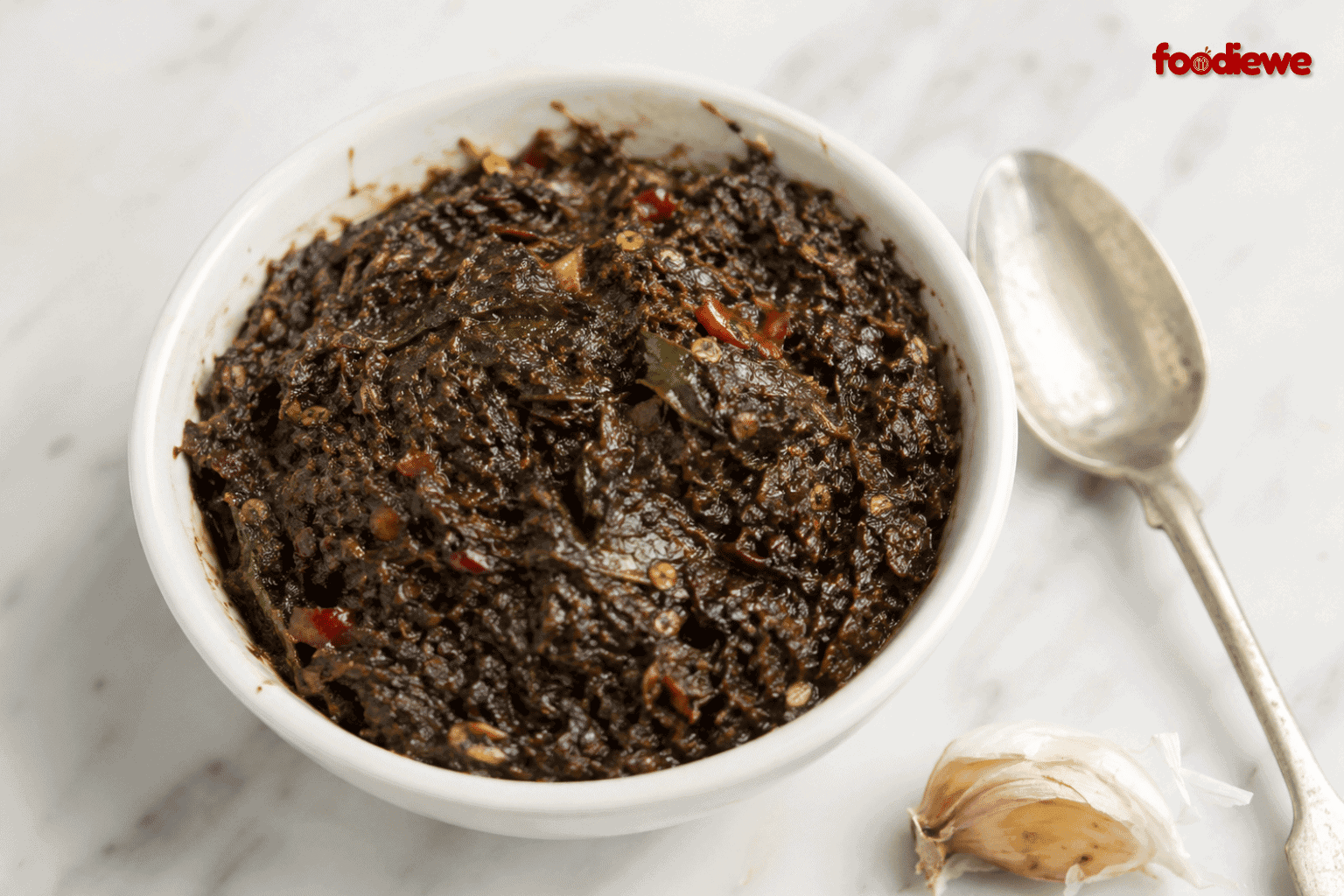
Gongura chutney is one of those recipes that tastes like nothing else in Indian cooking — sour, garlicky, and a little addictive once you get used to it. I learned this recipe from a close Andhra friend who grew up eating it with hot rice and a spoon of ghee, and it completely changed how I thought about chutneys. This isn’t a mild, everyday side dish. It’s bold, tangy, and built around one ingredient most North Indian kitchens have never touched: gongura leaves, also called sorrel or puntikura in Telugu.
Quick Answer: Gongura chutney is a tangy Andhra-style condiment made by cooking sorrel (gongura) leaves with garlic, dried red chilies, and a tempering of mustard seeds and curry leaves, then grinding it into a coarse, spicy paste that’s eaten with rice, ghee roast dosa, or idli.
In this post, I’ll walk you through the real method, where to actually find gongura leaves if you don’t live in Andhra Pradesh or Telangana, the mistakes that ruin the flavor, and answers to the questions people usually ask me about this dish.
What Is Gongura Chutney and Why Does It Matter in Andhra Cooking?
Gongura chutney (also called gongura pachadi) is a staple in almost every Telugu household. It’s not a “special occasion” dish — it’s closer to what pickle is for a Punjabi household or chutney podi is for a Tamil one. The plant itself, gongura, is a variety of hibiscus (Hibiscus sabdariffa), not related to the European sorrel most Western sites compare it to, even though both taste tart.
What most recipe blogs skip: the sourness in gongura comes from oxalic acid in the leaves, which is exactly why the chutney needs a generous hit of oil and tempering — it balances that sharp acidity instead of fighting it. That’s also why traditional Andhra gongura chutney recipes never skimp on oil the way a “healthier” chutney might.
Gongura Chutney Ingredients You Need
You don’t need a long shopping list, but the ratios matter more than people think.
For a batch that serves 4–5 people as a side:
- 2 bunches (roughly 250g) fresh gongura leaves, washed and stems removed
- 8–10 garlic cloves
- 6–8 dried red chilies (Guntur chilies if you can get them — that’s the real Andhra heat)
- 1 tsp cumin seeds
- 3 tbsp oil (sesame or groundnut oil, divided)
- Salt to taste
- For tempering: 1 tsp mustard seeds, 1 tsp urad dal, a pinch of hing, 8–10 curry leaves
The single most important thing to get right here is the ratio of oil to leaves — too little, and the chutney turns bitter and dry instead of glossy and rounded.
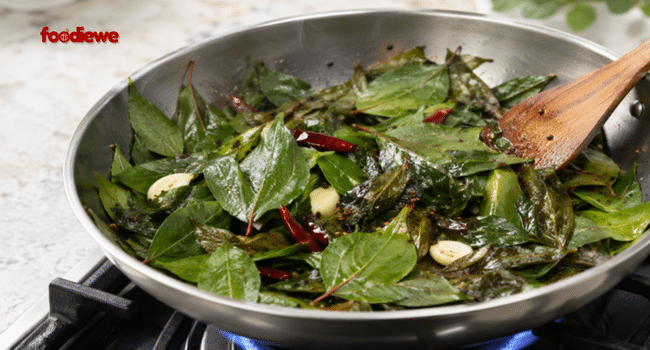
Pro Tip: Sauté the gongura leaves until they completely wilt and the raw smell disappears — this usually takes 6–8 minutes on medium heat. Rushing this step is the #1 reason gongura chutney turns out too sour or grassy-tasting.
How to Make Andhra Style Gongura Chutney (Step-by-Step)
Start by heating 2 tbsp oil in a pan. Add the cumin seeds, then the dried red chilies and garlic, and fry until the garlic turns light golden. Add the washed gongura leaves and a pinch of salt, then cook on medium-low heat, stirring occasionally, until the leaves shrink down and release their water — this is the step people rush, and it’s the one that decides the final texture.
Once cooled, grind everything into a coarse paste. Don’t over-blend it into a smooth puree; the texture should have some bite. In a separate small pan, heat the remaining 1 tbsp oil and add mustard seeds, urad dal, hing, and curry leaves. When the mustard seeds crackle, pour this tempering over the ground chutney and mix well.
On finding gongura leaves in India: if you’re not in Andhra Pradesh, Telangana, or parts of Tamil Nadu and Karnataka, fresh gongura can be genuinely hard to find in a regular sabzi mandi. Your best bets are South Indian grocery stores in metro cities, or ordering gongura chutney online (ready-made) or frozen/dried gongura leaves through platforms like Amazon, BigBasket, or regional stores like iTokri and South India-focused grocery sellers. Dried gongura works in a pinch, though the flavor is noticeably milder than fresh leaves.
One honest limitation: if you can only find very mature, thick-stemmed gongura, the chutney will taste more fibrous no matter how well you grind it — younger, tender leaves genuinely make a difference here.
Common Mistakes to Avoid
- Skipping the wilting step. If you grind raw or half-cooked leaves, the chutney tastes sharp and unpleasantly sour instead of balanced.
- Using too little oil. This isn’t a low-oil chutney by tradition — cutting oil changes both texture and shelf life.
- Over-grinding into a smooth paste. Andhra-style gongura chutney is meant to be coarse, not silky.
- Skipping the tempering. The mustard-curry leaf tempering isn’t decorative — it’s what rounds off the tanginess and gives the dish its signature aroma.
Frequently Asked Questions
Q1. Is gongura chutney healthy?
Ans – Gongura leaves are naturally low in calories — roughly 45–46 kcal per 100g — while offering a solid dose of iron, vitamin C, and vitamin A. That said, the finished chutney’s calorie count rises with the oil used, so portion size matters if you’re tracking intake. As with any diet change, it’s worth checking with a doctor if you have specific health conditions.
Q2. How many calories does gongura chutney have?
Ans – A typical 2-tablespoon serving of homemade gongura chutney runs around 60–80 calories, mostly from the oil in the tempering and cooking process. The leaves themselves are very low-calorie — the oil is what adds up.
Q3. Can I buy gongura chutney online instead of making it?
Ans – Yes, several Andhra and Telangana specialty food brands sell bottled gongura chutney online through their own websites, Amazon, and regional grocery platforms. It’s a reasonable option if you can’t source fresh leaves, though homemade versions typically taste fresher and less oily than packaged ones.
Q4. What does gongura chutney taste like if I’ve never had it?
Ans – It’s tangy first, then spicy, with a garlicky backbone — closer to a sharp, sour pickle than a mild coconut chutney. The sourness is the whole point, not a flaw, so go in expecting a punchy flavor rather than something gentle.
Q5. Can I make gongura chutney without garlic for a Jain-friendly version?
Ans – Yes, though it changes the flavor noticeably. Skip the garlic and increase the tempering’s hing slightly to add back some of that missing depth. It won’t taste identical to the traditional version, but it’s a workable substitute.
Final Thoughts
If there’s one thing to take away here, it’s that gongura chutney rewards patience at the wilting stage far more than it rewards a fancy ingredient list. Honestly, I still make mine slightly heavier on garlic than most recipes suggest — that’s just how I learned it, and I haven’t gone back. Try this recipe and tag us @cookwithfoodiewe — I’d love to see your version.