
You soaked the sabudana overnight. You added the potatoes. You carefully shaped each sabudana vada with love — and the moment it hits the oil?
It falls apart. Completely.
Sound familiar? You’re not alone. Making the perfect sabudana vada is one of those deceptively tricky things that looks simple on YouTube but turns into a kitchen disaster in real life.
But here’s the thing — it’s never really about the recipe. It’s about the secrets that experienced home cooks and Mumbai street food vendors never bother explaining.
That’s exactly what this guide is for.
Whether you’re prepping for Navratri fasting, craving a crispy Maharashtrian street food snack, or just trying to nail that golden crunch your nani always got — these 7 tips will completely transform your sabudana vada game.
💾 Save this post now — you’ll want it open while cooking.
What Makes Sabudana Vada So Special?
Before we dive into the secrets, let’s talk about why this humble little snack has captured hearts across India.
Sabudana vada is a deep-fried patty made from soaked sago pearls, mashed potatoes, crushed peanuts, and a few simple spices. It’s crispy on the outside, soft and pillowy on the inside — and absolutely magical with a side of green chutney.
It’s the ultimate upvas recipe — a staple during fasting seasons like Navratri and Ekadashi. But honestly? People eat it all year round because it’s just that good.
Quick Budget Check
| Ingredient | Approx. Cost |
| Sabudana (1 cup) | ₹20–25 |
| Potatoes (2 medium) | ₹10 |
| Roasted peanuts (½ cup) | ₹15 |
| Green chillies + spices | ₹5–8 |
| Total | Under ₹55 |
Yes — a full batch of restaurant-style sabudana vada costs you less than ₹60 at home. Beat that.
7 Secret Sabudana Vada Tips Nobody Tells You
Alright, let’s get into the good stuff. These aren’t your basic “add salt to taste” tips. These are the real tricks — the ones that separate a soggy mess from a perfectly golden, crispy vada every single time.
Tip #1 — Soak Smart, Not Long
Here’s where most people go wrong right at the start.
Everyone thinks soaking sabudana overnight is the way to go. It’s not.
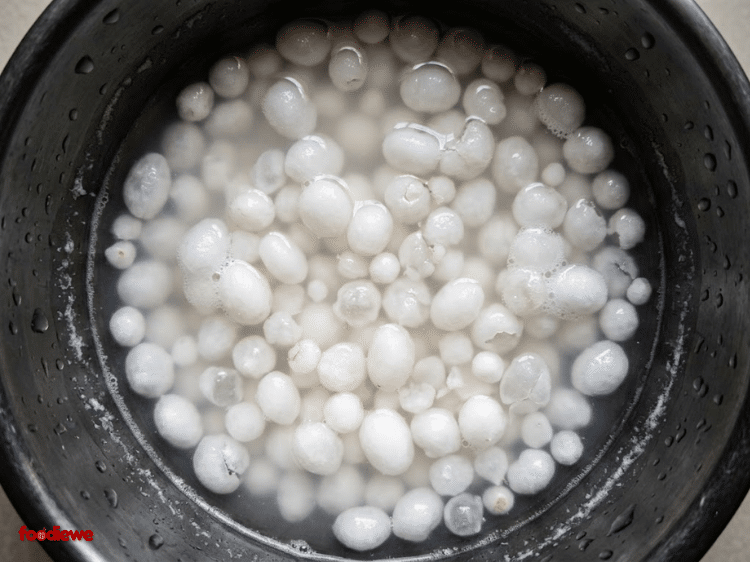
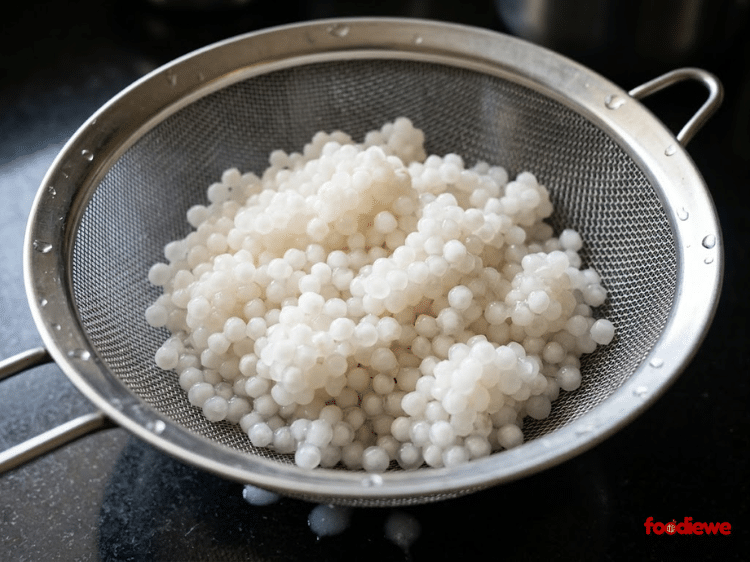
The sweet spot is 4–5 hours. Over-soaked sabudana becomes mushy, waterlogged, and impossible to bind properly. When you press a soaked pearl between your fingers, it should mash smoothly but still have a little structure — not turn into a paste.
Do this: Soak in just enough water to cover the sabudana by half an inch. Not more.
Avoid this mistake: Don’t soak in a big bowl of excess water thinking more is better. You’ll regret it.
Tip #2 — Dry Is Your Best Friend
Okay, this one is the secret that almost nobody talks about — and it’s probably the biggest reason vadas break in the pan.
After soaking, spread your sabudana on a clean muslin cloth or cotton kitchen towel for at least 15 minutes. Let it air dry. This removes that sneaky surface moisture that destroys the shape the moment it hits hot oil.
Think of it this way — oil and water are enemies. Any hidden moisture in your mix will cause the vada to splutter, crack, and fall apart dramatically.
Pro move: Pat gently with the cloth, then let it sit uncovered for 10–15 minutes before mixing.
Tip #3 — Peanuts Need to Be Crushed, Not Whole
You won’t believe how much this one tiny change affects everything.
Most recipes say “add roasted peanuts” — but they don’t tell you the grind matters enormously.
Whole peanuts → uneven texture, vada falls apart at edges
Finely powdered peanuts → too smooth, loses crunch
Coarsely crushed peanuts → perfect binding + texture
Crush your peanuts in a mortar and pestle or pulse twice in a mixer — you want chunky, irregular bits. They act as a natural binder while also giving you those satisfying little crunchy pockets inside the vada.
Tip #4 — Chill the Mix Before Frying
Hidden gem alert — this is the tip that will genuinely change your sabudana vada life.
After mixing everything together, cover the bowl and refrigerate for 20–30 minutes before shaping and frying.
Cold mix = firmer texture = better shape = less oil absorption = crispier vada.
It’s basic food science, but almost no recipe card tells you this. The chilling firms up the starch in the potatoes and sabudana, making the mix much easier to shape and far more stable in hot oil.
This works for air fryer sabudana vada too, by the way.
PRO TIP:-
Prep the mix the night before, refrigerate overnight, and fry fresh in the morning. Perfect for Navratri fasting mornings.
Tip #5 — Oil Temperature Is Everything
Too cold: The vada soaks up oil like a sponge and turns greasy. Too hot: The outside burns before the inside cooks.
The sweet spot: 170–180°C.
Don’t have a thermometer? No problem. Try the wooden spoon test — dip the tip of a wooden spoon into the oil. If tiny bubbles form steadily around it, you’re in the zone. If it sizzles violently — too hot. No bubbles at all — too cold.
Avoid this mistake: Never overcrowd the pan. Fry 3–4 vadas at a time max. Adding too many drops the oil temperature instantly, and your vadas turn soggy before they even get a chance.
Tip #6 — Shape Them Like a Street Food Vendor
Locals love this technique — and you can see it in action at any Dadar or Mandai market stall in Mumbai.
The trick: Wet your palms slightly with water before shaping. This prevents sticking and helps you get smooth, even patties.
Apply gentle but firm pressure — not too tight (makes them dense) and not too loose (falls apart). Aim for a thickness of about 1.5–2 cm. Slightly smaller than your palm.
Must-try variation: Shape them slightly thinner for a crispier result. Thicker vadas are fluffier inside — pick your preference!
Uniform thickness is key. Uneven vadas cook unevenly — one side burns while the other stays raw.
Tip #7 — Master the Flip Timing
You’re almost there. Don’t ruin it now.
The most common mistake at this final stage? Flipping too early.
Once your vada is in the oil, leave it completely alone for at least 2.5–3 minutes on medium heat. Do not touch it. Do not peek. Do not nudge it. Just trust the process.
You’ll know it’s ready to flip when:
- The edges look golden and set
- It releases from the pan naturally (doesn’t stick)
- You can see the golden crust forming from the side
If it sticks when you try to flip — it’s not ready yet. Give it another 30–45 seconds.
Rescue move: If a vada starts breaking mid-fry, gently press it back together with the back of a spoon. It actually works most of the time.
3 Sabudana Vada Variations Worth Trying
Once you’ve nailed the original, it’s time to experiment. These are the variations that are quietly going viral across Indian food communities right now.
Air Fryer Sabudana Tikki
- 200°C for 12 minutes, flip halfway
- Uses 90% less oil
- Gen Z’s absolute favourite version
Baked Sabudana Tikki
- 180°C oven for 22–25 minutes
- Slightly less crispy but way lighter
- Great for diet-conscious fasting
Stuffed Sabudana Tikki
- Fill with spiced paneer or dry fruits
- Popular in Pune and Nashik during Navratri
- Festive, indulgent, and absolutely worth the effort
Love crispy Indian snacks? try these too – Cocktail Samosa, Dahi Vada
Frequently Asked Questions
Q1. Why does my sabudana vada break while frying?
The most common culprits are excess moisture in the sabudana or oil that isn’t hot enough. Always dry your soaked sabudana thoroughly on a cloth and check your oil temperature before frying. Refrigerating the mix for 20–30 minutes also helps the vada hold its shape better.
Q2. Can I make sabudana vada without peanuts?
Absolutely! Replace peanuts with singhara atta (water chestnut flour) for a nut-free fasting version. It binds well and keeps the vada crispy. Some people also use rajgira flour as a substitute.
Q3. How many calories does one sabudana vada have?
One medium deep-fried sabudana vada has approximately 120–150 calories. The air fryer version brings it down to 80–100 calories — a much lighter option for health-conscious fasting days.
Q4. Can I make sabudana vada ahead of time?
Yes! Shape the vadas and refrigerate them on a tray (uncovered) for up to 24 hours. When ready, fry straight from the fridge — no need to bring them to room temperature. They actually hold their shape even better when cold.
Q5. Is sabudana vada gluten-free?
Yes — sabudana (sago/tapioca), potatoes, and peanuts are all naturally gluten-free. It’s one of the reasons it’s so popular as a gluten-free Indian snack during fasting periods. Just make sure your sendha namak and spices are certified gluten-free if you have a serious intolerance.
Sabudana Vada Recipe
Equipment
- 1 Mixing bowl Large bowl for combining all ingredients
- 1 Steel Strainer / Colander For draining soaked sabudana completely
- 1 Muslin Cloth For drying sabudana after draining
- 1 Kadai / Deep Frying Pan Heavy bottom for even frying
- 1 Slotted spoon For flipping and removing vadas from oil
- 1 Mortar and Pestle For coarsely crushing roasted peanuts
- 1 Kitchen Paper Towels For draining excess oil after frying
- 1 Pressure Cooker or Pan For boiling potatoes
- 1 Cooking Thermometer Optional — for checking oil temperature
Ingredients
- 1 cup sabudana (tapioca/sago pearls)
- 2 medium potatoes (boiled and mashed)
- ½ cup roasted peanuts (coarsely crushed)
- 2 green chillies (finely chopped)
- 1 tsp cumin seeds (jeera)
- 1 tsp ginger (finely grated)
- 2 tbsp fresh coriander leaves (chopped)
- 2 tsp lemon juice
- 1 tsp sugar (optional)
- Rock salt / Sendha namak to taste
- Oil for deep frying
OPTIONAL BINDING (if vadas break):
- 1-2 tbsp kuttu ka atta (buckwheat flour) OR amaranth flour / singhara atta OR rice flour (if not fasting)
Instructions
- STEP 1 — SOAK SABUDANA Rinse 1 cup sabudana 2 to 3 times under water. Soak in just enough water to cover for 4 to 5 hours or overnight. Do NOT over-soak. Pearls should mash easily between fingers with no hard center.
- STEP 2 — DRAIN AND DRY Drain soaked sabudana completely in a steel strainer. Spread on a clean muslin cloth or kitchen towel for 15 minutes to remove all surface moisture. This is the most important step for crispy vadas.
- STEP 3 — ROAST AND CRUSH PEANUTS Dry roast ½ cup peanuts on medium heat until golden and aromatic. Cool completely. Crush coarsely in a mortar pestle or mixer — NOT fine powder. Chunky texture is essential for binding and crunch.
- STEP 4 — BOIL AND MASH POTATOES Boil 2 medium potatoes until just fork tender. Do NOT overcook. Cool, peel and mash well. No lumps should remain.
- STEP 5 — MIX ALL INGREDIENTSIn a large bowl combine drained sabudana, mashed potatoes, crushed peanuts, green chillies, ginger, cumin seeds, coriander leaves, lemon juice, sugar and sendha namak. Mix everything well with your hands.
- STEP 6 — REFRIGERATE THE MIXCover the bowl and refrigerate for 20 to 30 minutes before shaping. This is the secret tip — cold mix holds shape better and absorbs less oil while frying.
- STEP 7 — SHAPE THE VADASWet your palms slightly with water. Take a portion of mix and shape into a flat round patty about 1.5 to 2cm thick. Not too thick, not too thin. Slightly smaller than your palm.
- STEP 8 — TEST FRY FIRST Heat oil in a kadai on medium heat to 170 to 180°C. Drop a tiny ball of mix — it should rise steadily with bubbles. If it breaks add 1 tbsp buckwheat flour to the mix.
- STEP 9 — FRY THE VADAS Slide 3 to 4 vadas gently into hot oil. Do NOT crowd the pan. Fry on medium heat for 2.5 to 3 minutes without touching. Flip only when edges are golden and vada releases naturally from pan. Fry until evenly golden and crispy on both sides.
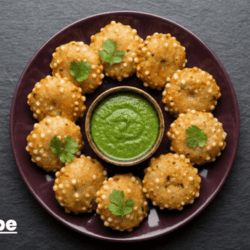
- STEP 10 — DRAIN AND SERVE Remove with slotted spoon. Drain on kitchen paper towel. Serve immediately while hot with green coriander chutney or sweetened yogurt.
Notes
- Soak sabudana for exactly 4 to 5 hours.
- Over-soaking makes vadas mushy and oily.
- Under-soaking causes pearls to burst in oil.
- Always drain and dry sabudana completely.
- Any excess moisture = vadas that break, splutter and soak up too much oil.
- Never skip the 20-minute refrigeration step.
- Cold mix = firmer vadas = less oil absorption = crispier result every time.
- Always maintain 170 to 180°C oil temperature.
- Too cold = greasy vadas.
- Too hot = burnt outside, raw inside.
- Wait minimum 2.5 to 3 minutes before flipping.
- Vada should release naturally from pan. Forced flipping = broken vadas.
- Coarsely crushed peanuts work best — NOT fine powder.
- Chunky peanuts act as natural binder AND add crunch.
- Shape vadas and refrigerate on tray uncovered up to 24 hours ahead.
- Fry straight from fridge when needed.