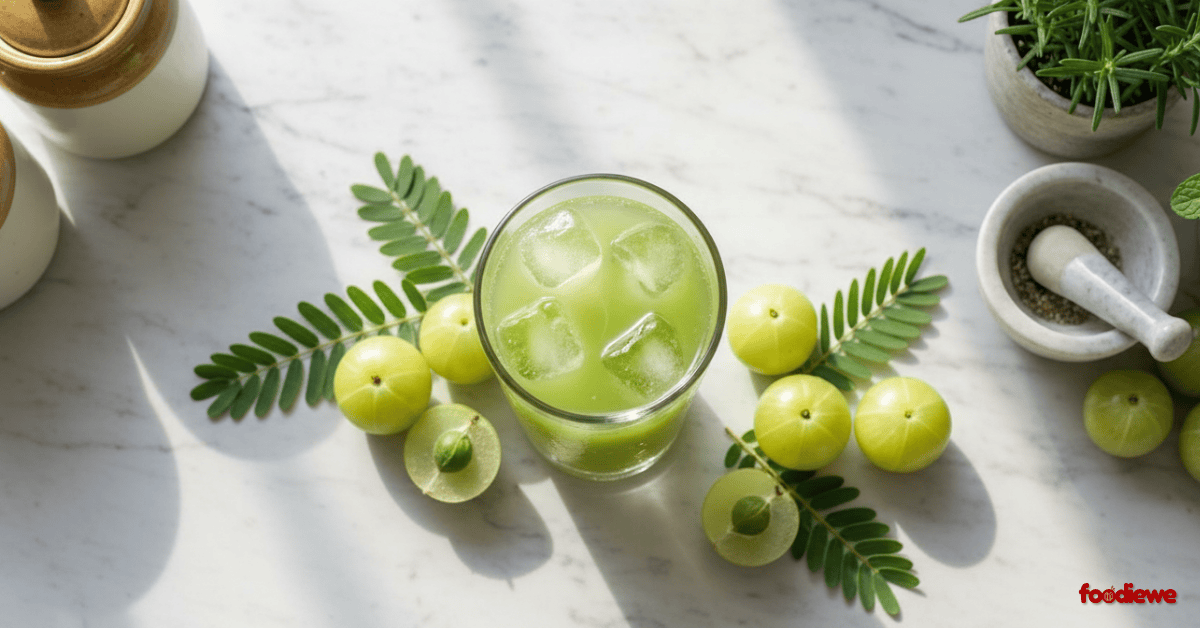
Amla juice has rapidly moved from traditional kitchens into modern wellness routines, and for good reason. Rich in vitamin C, antioxidants, and phytonutrients, this simple green elixir offers powerful amla juice benefits for immunity, digestion, heart health, and especially for glowing skin and strong hair. Whether you are focused on beauty, prevention, or overall vitality, amla juice fits seamlessly into a daily health strategy.
What is Amla Juice?
Amla juice is extracted from the Indian gooseberry (Phyllanthus emblica), a small, sour fruit long revered in Ayurveda as a rejuvenating tonic. In classical Ayurvedic texts, amla is classified as a rasayana—meaning it supports longevity, resilience, and holistic well-being by nourishing body tissues and balancing energies. It is believed to help harmonize the three doshas (Vata, Pitta, and Kapha), making it suitable for most body types when used appropriately.
Traditionally consumed as fresh juice, powder, pickles, or in formulations like Triphala, amla has been used for centuries to improve digestion, enhance immunity, sharpen mental clarity, and support skin and hair health. Today, it is available as fresh juice, ready-to-drink bottles, and branded options, allowing consistent intake with minimal effort.
Why Amla Juice is Trending?
Amla juice is trending as a “superfood” because it naturally covers many needs. Modern lifestyles often compromise—immunity, detox, beauty, and metabolic health. It contains significantly higher vitamin C than oranges, along with powerful polyphenols that fight oxidative stress. As more people seek plant-based remedies and wish to avoid synthetic supplements, amla fits perfectly as a cost-effective, accessible, and time-tested option.
The rise of holistic wellness, gut health awareness, and natural beauty has further boosted interest in amla juice benefits. Consumers appreciate that a single daily shot of amla juice can support digestion, skin radiance, hair strength, and disease prevention without complex routines.
Nutritional Value of Amla
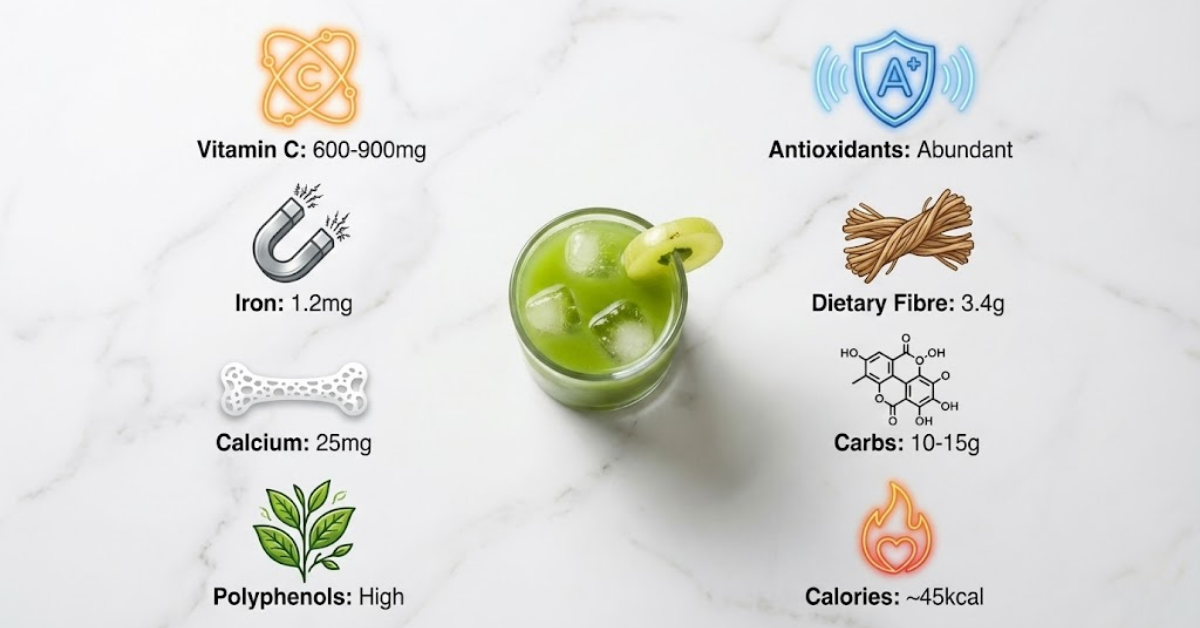
Even in small quantities, amla juice delivers a concentrated dose of essential nutrients that drive its wide-ranging benefits.
| Nutrient | Approximate Amount per Serving |
| Vitamin C | 600–900 mg |
| Iron | 1.2 mg |
| Calcium | 25 mg |
| Polyphenols | High |
| Antioxidants | Abundant |
| Dietary Fibre | 3.4 g |
| Carbohydrates | 10–15 g |
| Calories | ~45 kcal |
This dense nutritional profile explains why amla juice benefits touch immunity, metabolism, skin, hair, and organ health at the same time.
12 Health Benefits of Amla Juice
1. Boosts Immunity
Amla juice is one of the richest natural sources of vitamin C, which plays a crucial role in supporting the immune system. High vitamin C levels enhance the function of white blood cells, the front line of defense against infections and viruses. In addition, polyphenols and other antioxidants in amla neutralize free radicals, reducing oxidative stress that can weaken immunity over time.
Regular intake of amla juice may help reduce the frequency of common colds, support faster recovery, and build resilience against seasonal infections. Its anti-inflammatory properties also help keep chronic low-grade inflammation under control, which is linked to many lifestyle diseases.
2. Improves Digestion
Digestive health is central to overall wellness, and amla juice benefits the gut in multiple ways. It stimulates the secretion of gastric juices and digestive enzymes, improving the breakdown and absorption of nutrients from food. Its mild laxative effect and dietary fiber content support regular bowel movements and help relieve mild constipation without creating dependency.
The naturally cooling and soothing properties of amla can also ease acidity, bloating, and discomfort in the digestive tract. Over time, better digestion translates into improved energy, clearer skin, and better nutrient delivery to all body systems.
3. Enhances Heart Health
Amla juice can be a smart addition to a heart-conscious diet. Studies suggest that regular amla consumption may help reduce LDL (bad) cholesterol while supporting healthier HDL (good) cholesterol levels. Antioxidants and vitamin C help protect blood vessels from oxidative damage and maintain their flexibility, which is essential for smooth blood flow.
By reducing arterial stiffness and slowing plaque buildup, amla juice may help lower the long-term risk of cardiovascular disease when combined with a balanced diet and active lifestyle. Its supportive effect on blood lipid profiles makes it a valuable natural ally for heart health.
4. Supports Liver Function
The liver is a major detox organ, and amla juice benefits include robust support for its function. Antioxidants in amla help protect liver cells from toxins and oxidative stress, enhancing the organ’s ability to filter and process waste products. Some early research suggests amla may assist in liver cell regeneration and improve certain liver enzymes, indicating better liver performance.
Regular intake of amla juice may also help reduce fat accumulation in the liver, which is increasingly important given the rise of non-alcoholic fatty liver disease. A healthy liver in turn supports clearer skin, better digestion, and improved metabolic balance.
5. Manages Blood Sugar Levels
Amla juice is often recommended as a supportive measure for people concerned about blood sugar and insulin resistance. Polyphenols and other bioactive compounds in amla appear to enhance insulin sensitivity, helping the body use insulin more effectively. This can support healthier fasting blood sugar levels when combined with medical guidance and dietary control.
The tangy, slightly bitter taste of amla may also help curb intense sugar cravings, making it easier to maintain a balanced diet. However, individuals on diabetes medication should always consult a healthcare professional before making amla juice a regular part of their routine.
6. Promotes Hair Growth & Reduces Hair Fall
Among the most loved amla juice benefits are its effects on hair health. Vitamin C promotes collagen production, which strengthens hair follicles and the surrounding connective tissues, helping to reduce hair fall. Antioxidants protect follicles from damage caused by stress and pollution, supporting stronger and thicker strands over time.
Amla also has natural antifungal and anti-inflammatory properties that can help reduce dandruff, itchiness, and scalp irritation. Many people find that consistent use of amla—internally and sometimes externally—helps slow premature greying by supporting melanin and shielding hair from oxidative damage.
7. Improves Skin Health
Amla juice is a powerful internal skincare tool. Its high vitamin C content boosts collagen synthesis, which improves skin elasticity, firmness, and overall texture. With better collagen and antioxidant protection, fine lines and early wrinkles may appear less prominent, and the skin can look more supple.
The antibacterial and anti-inflammatory properties of amla may help reduce acne breakouts and calm redness, while its detox-supportive actions assist in clearing internal toxins that often show up as dullness or blemishes. Over time, many users notice more even skin tone and a natural glow thanks to consistent amla intake.
8. Aids Weight Loss
Amla juice supports weight management in several indirect yet meaningful ways. By improving digestion and nutrient absorption, it helps the body use food more efficiently rather than storing excess as fat. Its mild diuretic effect can also reduce water retention and bloating, leading to a lighter, more comfortable feeling.
Some people find that having amla juice before meals helps reduce overeating by enhancing satiety and stabilizing appetite. When combined with a calorie-controlled diet and exercise, amla juice benefits can complement a sustainable weight loss strategy rather than acting as a quick fix.
9. Strengthens Bones
Bone-strengthening is another valuable aspect of amla juice. Vitamin C improves calcium absorption from the diet, which is essential for maintaining bone density and strength. Amla also provides small amounts of minerals like calcium, phosphorus, and iron that collectively support skeletal health.
Its anti-inflammatory properties may help ease joint stiffness and mild arthritic discomfort, making movement more comfortable for some individuals. Over the long term, pairing amla juice with a calcium-rich diet and weight-bearing exercise can be beneficial for bone health.
10. Enhances Brain Function
The brain is highly vulnerable to oxidative stress, and the antioxidants in amla help protect nerve cells from damage. This may contribute to better memory, concentration, and overall cognitive function. Some evidence and traditional use suggest amla can help normalize stress hormones like cortisol, promoting a more stable mood.
By supporting deeper, more restful sleep and reducing mental fatigue, amla juice can indirectly boost productivity and emotional balance. This combination of neuroprotection and stress modulation makes it a valuable addition to a brain-healthy lifestyle.
11. Anti-Ageing Properties
Ageing is closely linked to cumulative oxidative damage at the cellular level, and amla juice benefits include strong anti-ageing support. Its rich antioxidant content, led by vitamin C and polyphenols, helps neutralize free radicals that accelerate skin ageing, organ decline, and degenerative conditions.
Amla also supports cellular repair and regeneration, which helps maintain tissue integrity and function over time. On the outside, this shows up as firmer skin and healthier hair; on the inside, it supports sustained energy and resilience.
12. May Help Prevent Cancer
While research is still evolving, early findings indicate that amla contains potent phytochemicals such as gallic acid and ellagic acid with potential anti-cancer properties. These compounds may help inhibit the growth of abnormal cells and promote apoptosis (programmed cell death) in damaged or pre-cancerous cells.
In addition, the overall antioxidant and immune-supporting actions of amla contribute to a stronger internal defense system that may reduce the risk of certain chronic diseases over time. Amla juice should not replace medical treatment, but it may serve as a supportive dietary component within a preventive lifestyle.
Amla Juice Benefits for Skin
Key amla juice benefits for skin include:
- Supports firm, youthful skin by enhancing collagen production and protecting elastin, leading to improved texture and reduced fine lines.
- Helps manage acne and blemishes by reducing inflammation and supporting detox pathways, which can lead to clearer, more even-toned skin.
- Contributes to a natural inner glow by improving circulation, nutrient delivery, and antioxidant defense, making the complexion look fresher and more radiant over time.
Amla Juice Benefits for Hair
For hair health, amla juice can be particularly impactful:
- Strengthens hair from the roots by nourishing follicles with vitamin C and antioxidants, helping reduce hair fall and breakage.
- Promotes healthier scalp conditions by minimizing dandruff and itchiness through its antifungal and anti-inflammatory effects.
- May slow premature greying and enhance natural shine by protecting hair pigments and structures from oxidative stress.
Patanjali Amla Juice Benefits
Many people choose branded options such as Patanjali for convenience and consistency. Patanjali amla juice benefits include the ability to access ready-to-use amla juice made from multiple fruits, typically without added synthetic ingredients. This can make it easier to maintain a daily habit without sourcing and processing fresh amla each time.
Using a standardized product also helps with consistent dosing and taste, which encourages long-term adherence. When selecting any packaged amla juice, it is wise to review ingredient lists, storage instructions, and quality assurances to ensure you receive maximum potency and minimal additives.
How to Make Amla Juice at Home
Preparing amla juice at home is straightforward and ensures maximum freshness:
- Choose firm, bright green amlas without dark spots or shriveling.
- Wash thoroughly and chop into small pieces, removing the hard seeds.
- Blend the pieces with a small amount of water (about ½ cup for 4–5 amlas) until smooth.
- Strain the mixture through a fine mesh or muslin cloth to separate the juice from the pulp.
- Optionally add a little honey, ginger, or diluted warm water to soften the sharp sourness.
Store any leftover juice in an airtight container in the refrigerator and consume within 1–2 days. However, freshly made juice offers the strongest amla juice benefits, especially for vitamin C content.
Best Time to Drink Amla Juice
Timing can enhance how effectively your body uses amla juice:
| Time of Day | Key Benefits |
| Morning (empty stomach) | Supports detox, boosts metabolism, energizes start to the day. |
| Before meals | Helps appetite control, aids digestion, and improves nutrient absorption. |
| Before bedtime | May support gentle overnight detox and skin repair processes. |
Most people start with 10–20 ml of amla juice diluted in water and adjust gradually based on tolerance and goals.
Potential Side Effects & Precautions
While amla juice is generally safe for most healthy adults, there are a few precautions to keep in mind:
- It may lower blood sugar levels, so individuals with diabetes or those on glucose-lowering medications should consult their doctor before regular use.
- The intense sourness can aggravate acidity, reflux, or very sensitive stomachs; in such cases, smaller doses with adequate dilution and food may help.
- Pregnant or breastfeeding women should seek medical guidance before adding concentrated amla juice to their routine.
Listening to your body and starting with small amounts is the best approach to safely unlock amla juice benefits.
Building a simple daily habit around amla juice—whether fresh or a trusted packaged option—can unlock powerful amla juice benefits for skin, hair, immunity, and long-term health when paired with a wholesome lifestyle.